

Double Dermal Gallery
$$MultiPurposeText$$
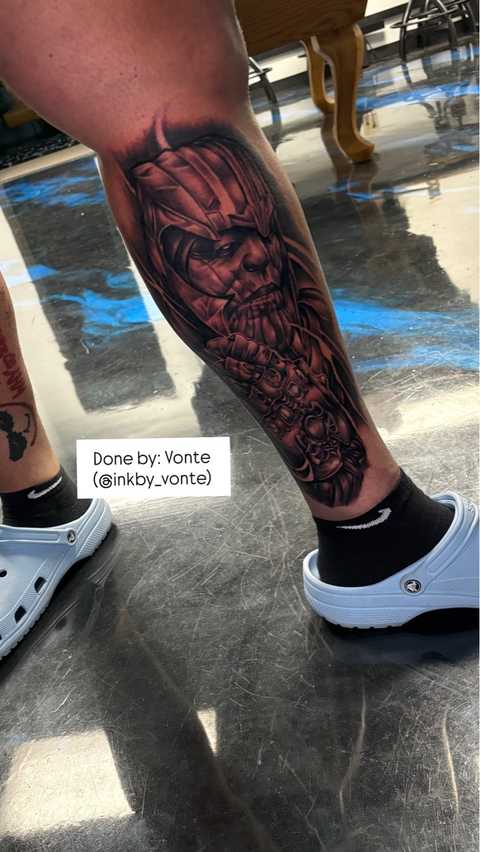
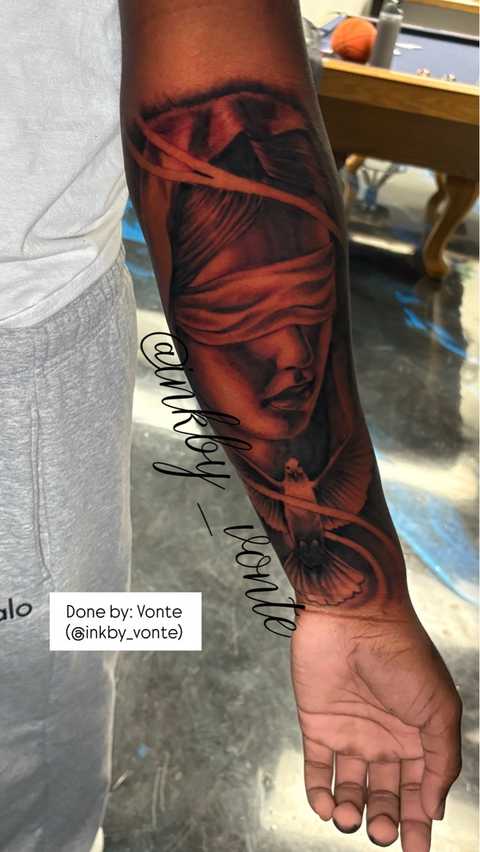
See examples of our Double Dermal work and results.







What Our Clients Say
$$MultiPurposeText$$
Read testimonials from our satisfied customers

Changed my piercing and were all cool and professional. Definitely would recommend!

Recently had a great experience with Monnie (I think that was his name? We talked about hi...more

I had a quick emergency; my piercing fell out. I found this establishment based on their g...more

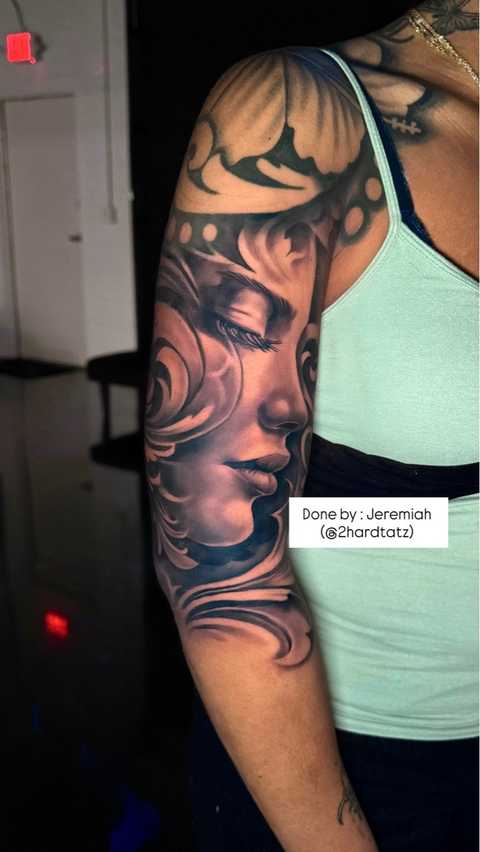
Best experience I ever had as getting tattooed Jeremiah was extremely nice professional n ...more

Jeremiah (2hardtatz) is truly a mastermind. When I first started looking into getting larg...more

Went for a nose piercing and it was quick. The employees were nice and welcoming.

Frequently Asked Questions
Get answers to common questions about Double Dermal.
Arrive well-rested, hydrated, and with the area clean. Avoid alcohol or blood-thinning medications 24-48 hours prior. Wear comfortable clothing that exposes the placement site. Expect mapping and consultation before the procedure to finalize placement.
Discomfort varies by location and individual tolerance; most clients report a brief pinch followed by pressure. Procedure typically takes 30-60 minutes including consultation and mapping. We use numbing options on request and employ techniques to minimize pain.
Clean twice daily with a sterile saline spray, avoid pools or baths until healed, and don't twist or remove the anchors. Adjust sleep positions and clothing to minimize irritation. Contact us for concerning redness, discharge, or jewelry migration.
Healing varies by location and individual health; initial healing commonly spans 6-12 weeks, with full integration taking several months. Continue gentle care during this period, and schedule follow-up visits. Avoid trauma to the area to prevent migration or rejection.
When performed with titanium anchors and proper technique, dermals are generally safe. Risks include infection, migration, rejection, and scarring. Choosing an experienced piercer, following aftercare, and avoiding trauma significantly reduce complications. We discuss suitability and alternatives during consultation.
We place initial titanium anchors with compatible tops for protection. Switching to decorative jewelry is discouraged until healing is sufficient to prevent irritation or migration. Aftercare appointments will assess readiness; we can advise safe jewelry options and timing based on healing progress.