

Helix (Cartilage) Gallery
$$MultiPurposeText$$
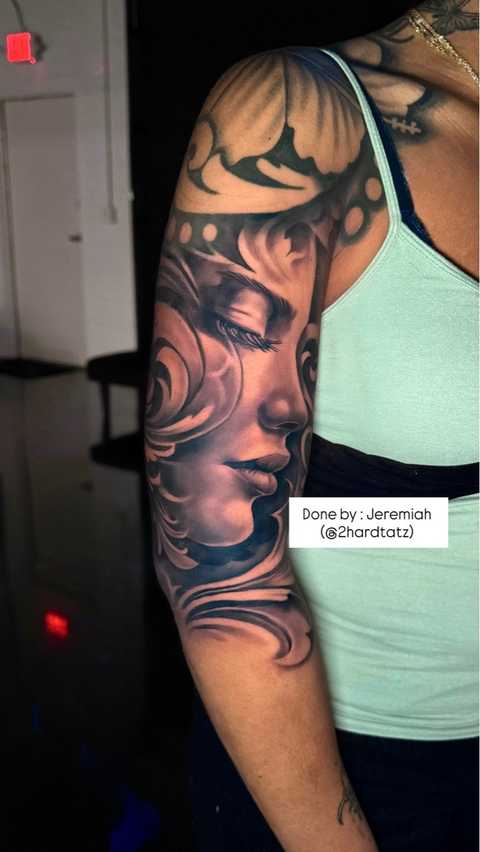
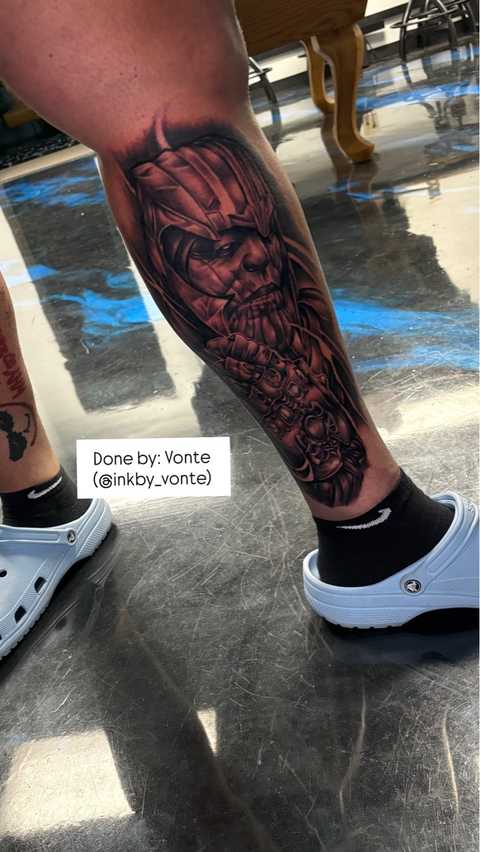
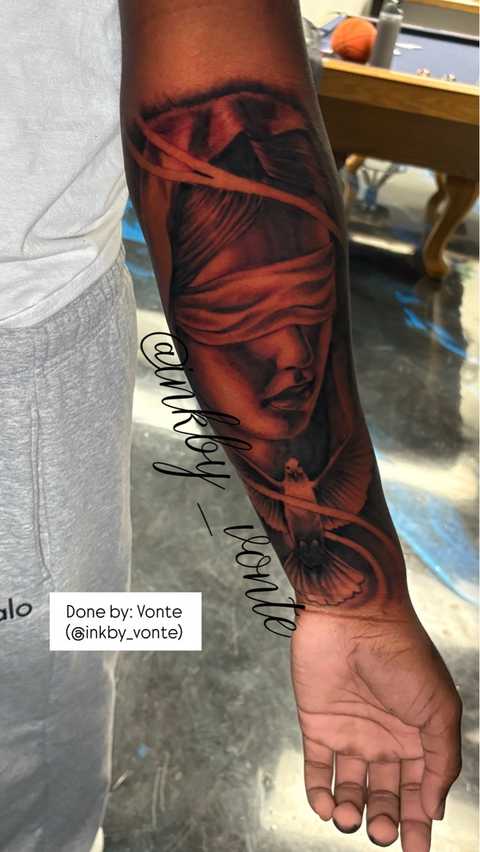
See examples of our Helix (Cartilage) work and results.







What Our Clients Say
$$MultiPurposeText$$
Read testimonials from our satisfied customers

Changed my piercing and were all cool and professional. Definitely would recommend!

Recently had a great experience with Monnie (I think that was his name? We talked about hi...more

I had a quick emergency; my piercing fell out. I found this establishment based on their g...more

Best experience I ever had as getting tattooed Jeremiah was extremely nice professional n ...more

Jeremiah (2hardtatz) is truly a mastermind. When I first started looking into getting larg...more

Went for a nose piercing and it was quick. The employees were nice and welcoming.

Frequently Asked Questions
Get answers to common questions about Helix (Cartilage).
The actual piercing takes only a few minutes, but expect about 6–12 weeks initial healing for helix cartilage. Complete healing can take up to six months; follow aftercare to avoid complications and schedule a check if you notice pain, discharge, or prolonged swelling.
Most clients report a quick sharp pinch for a second, followed by mild throbbing during the first 24–72 hours. Pain varies by individual; applying cold packs and over-the-counter pain relief can help. We use gentle technique to minimize discomfort.
No — wait until fully healed, typically 6–12 weeks for initial healing and up to six months for complete cartilage healing. Changing too early increases risk of irritation and infection; consult our piercer to safely switch jewelry when appropriate.
Clean twice daily with sterile saline or a saline spray; soak or spray for several minutes, then pat dry with clean paper towel. Avoid alcohol, hydrogen peroxide, and ointments. Hands off jewelry, avoid sleeping on the piercing, and follow our aftercare instructions to promote healing.
We start with a 316L surgical steel stud or small captive bead ring in appropriate gauge (commonly 16g or 18g) and length chosen by anatomy. Our piercers fit jewelry to your ear to ensure comfort and room for swelling during healing.
Risks include infection, prolonged swelling, hypertrophic scarring, keloid formation, migration, and cartilage bumps. These are uncommon with proper technique and aftercare. Report signs of infection immediately. We screen for contraindications and offer guidance to minimize complications and ensure safe healing.