

Industrial Gallery
$$MultiPurposeText$$
See examples of our Industrial work and results.





What Our Clients Say
$$MultiPurposeText$$
Read testimonials from our satisfied customers

Changed my piercing and were all cool and professional. Definitely would recommend!

Recently had a great experience with Monnie (I think that was his name? We talked about hi...more

I had a quick emergency; my piercing fell out. I found this establishment based on their g...more

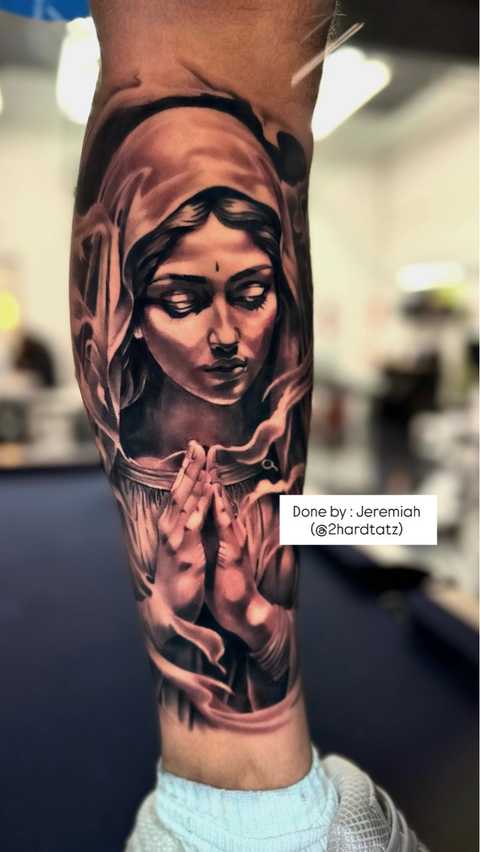
Best experience I ever had as getting tattooed Jeremiah was extremely nice professional n ...more

Jeremiah (2hardtatz) is truly a mastermind. When I first started looking into getting larg...more

Went for a nose piercing and it was quick. The employees were nice and welcoming.

Frequently Asked Questions
Get answers to common questions about Industrial.
An ideal Industrial requires parallel points on the upper helix with sufficient flat surface and spacing to accept a long bar. We evaluate cartilage thickness, curvature, and placement during consultation and recommend alternatives if anatomy isn’t suitable.
Healing varies, but cartilage piercings generally take six to twelve months to fully heal. Most swelling and sensitivity reduce in the first few weeks; diligent aftercare and avoiding pressure or sleeping on the piercing help ensure a smooth recovery.
316 surgical steel is commonly used and usually biocompatible, but it can contain trace nickel. If you have severe nickel sensitivity we recommend implant-grade titanium or solid gold alternatives. Please tell us about allergies when booking.
Do not change the bar until the piercing is fully healed—typically six to twelve months. Premature changes risk irritation, migration, or infection. Have a professional perform jewelry swaps to ensure correct sizing and reduce tissue trauma.
Clean twice daily with sterile saline, avoid alcohol/peroxide/ointments, and don’t twist or remove the bar. Keep hair and pressure away, avoid swimming, and contact us if you notice increased redness, swelling, or discharge.
Yes—both holes must be precisely aligned so the bar sits without stress. We mark placement and often test fit with a bar during consultation. If alignment isn’t possible, we’ll suggest alternative piercings better suited to your ear.