

Rook Gallery
$$MultiPurposeText$$
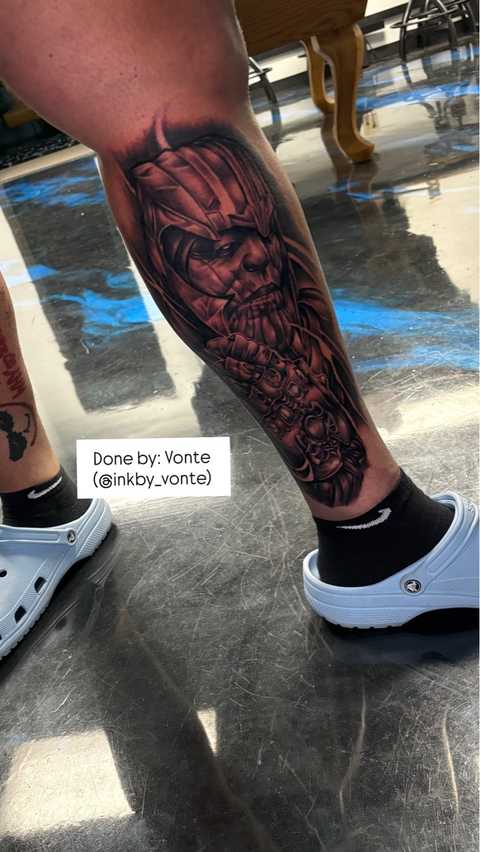
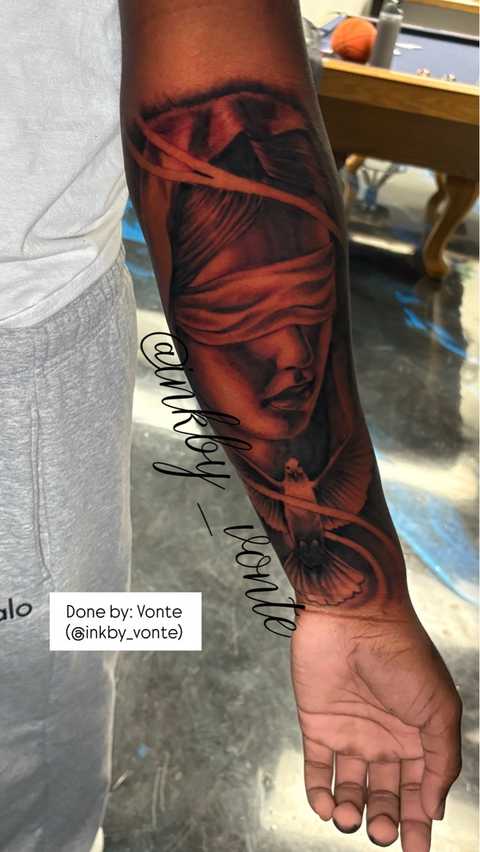
See examples of our Rook work and results.








What Our Clients Say
$$MultiPurposeText$$
Read testimonials from our satisfied customers

Changed my piercing and were all cool and professional. Definitely would recommend!

Recently had a great experience with Monnie (I think that was his name? We talked about hi...more

I had a quick emergency; my piercing fell out. I found this establishment based on their g...more

Best experience I ever had as getting tattooed Jeremiah was extremely nice professional n ...more

Jeremiah (2hardtatz) is truly a mastermind. When I first started looking into getting larg...more

Went for a nose piercing and it was quick. The employees were nice and welcoming.

Frequently Asked Questions
Get answers to common questions about Rook.
Expect a quick, sharp pinch during placement followed by moderate tenderness as it heals. Pain varies by person, typically manageable with over-the-counter pain relief and proper aftercare. Most clients report discomfort decreases significantly after the first few days.
Rook piercings are cartilage piercings and generally take six to nine months to fully heal. Healing time varies by individual and aftercare. During this period avoid sleeping on the piercing, swimming in untreated water, and changing jewelry until fully settled.
Clean twice daily with sterile saline solution or a saltwater soak, avoid alcohol or peroxide, and wash hands before touching. Keep hair and headphones away from the area, avoid swimming in pools or hot tubs, and don’t swap jewelry until fully healed.
Yes, but be cautious: glasses and tight earbuds can press on the piercing and slow healing. Use lightweight frames, adjust arms to reduce pressure, or opt for wireless, soft-tipped earbuds. Avoid in-ear devices during the earliest healing stages to prevent irritation.
As with any cartilage piercing, risks include infection, prolonged swelling, migration, or hypertrophic scarring. Watch for increasing pain, persistent discharge, fever, or redness. Seek professional care promptly if concerns arise. Our sterile technique and 316 surgical steel jewelry reduce those risks when paired with proper aftercare.
No — don’t change jewelry until the piercing is fully healed. Swapping jewelry early can cause trauma, introduce bacteria, and delay healing. If you need a size change or upgrade, book an appointment with our piercers to safely assess and replace it.