

Snug Gallery
$$MultiPurposeText$$
See examples of our Snug work and results.


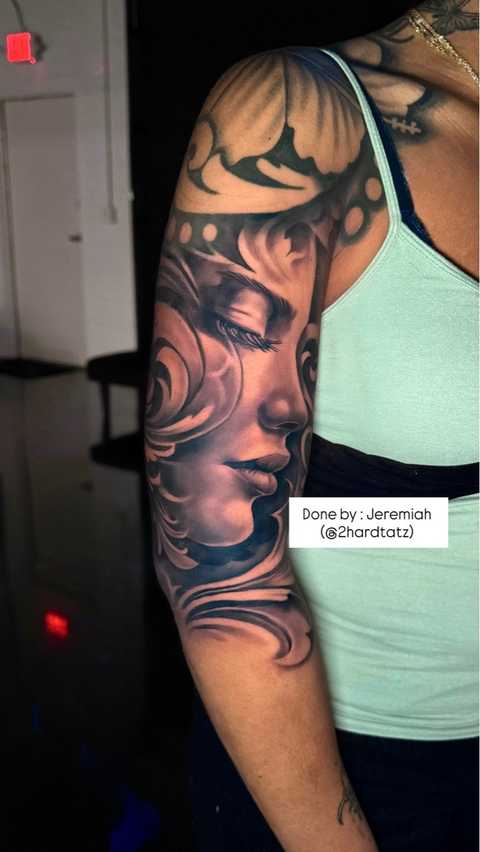

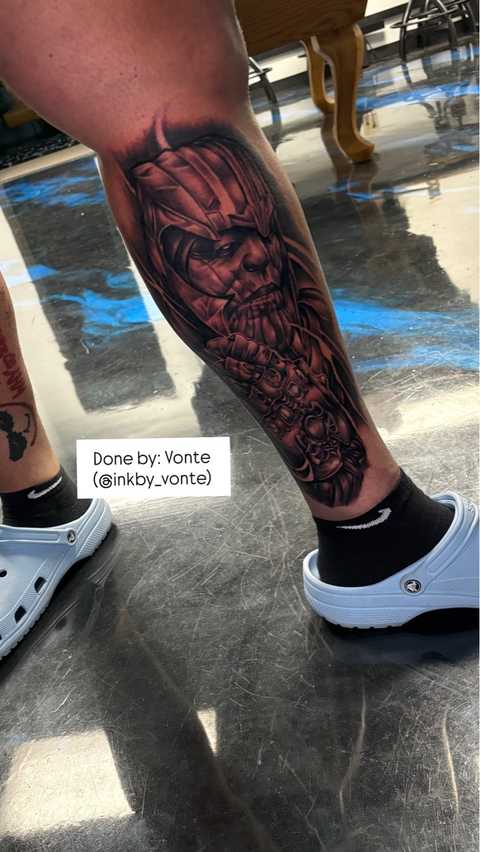
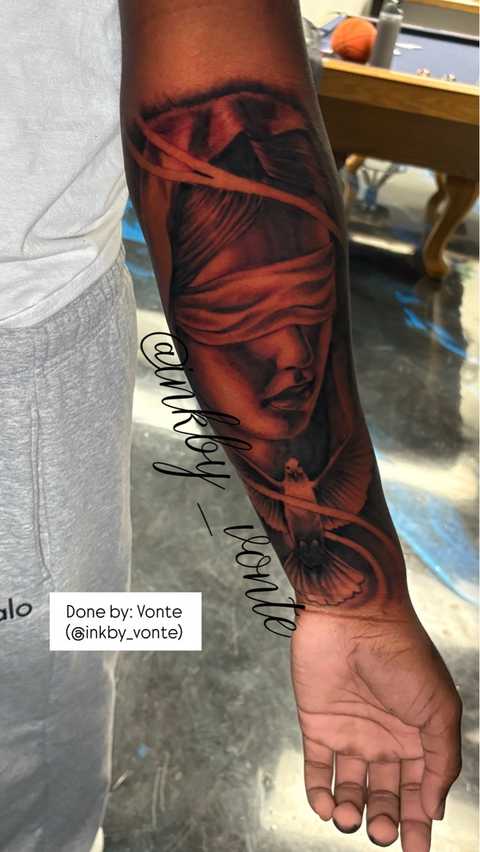




What Our Clients Say
$$MultiPurposeText$$
Read testimonials from our satisfied customers

Changed my piercing and were all cool and professional. Definitely would recommend!

Recently had a great experience with Monnie (I think that was his name? We talked about hi...more

I had a quick emergency; my piercing fell out. I found this establishment based on their g...more

Best experience I ever had as getting tattooed Jeremiah was extremely nice professional n ...more

Jeremiah (2hardtatz) is truly a mastermind. When I first started looking into getting larg...more

Went for a nose piercing and it was quick. The employees were nice and welcoming.

Frequently Asked Questions
Get answers to common questions about Snug.
Snug piercings commonly take 6 to 12 months to fully heal due to thicker cartilage. Expect swelling and sensitivity early on; consistent aftercare and avoiding pressure will speed recovery. Healing times vary by anatomy and personal care habits.
Pain varies, but Snug piercings are generally more intense than lobes because they pass through denser cartilage. Most clients report a quick sharp pinch and pressure afterward. We use experienced technique and guidance to keep discomfort minimal.
The Snug is anatomy-dependent and not suitable for every ear. If you have an insufficient cartilage ridge or unusual curvature, we may recommend alternatives. Book a consultation so our piercer can evaluate your ear and advise the best option.
Clean twice daily with a sterile saline solution, avoid touching or rotating the jewelry, keep hair and headphones away, and sleep on the opposite side. Avoid pools and submerging the piercing until healed. Contact us if you notice unusual pain or discharge.
Wait until the piercing is fully healed—typically 6 to 12 months—before changing jewelry. Have the first change performed by a professional to ensure proper fit and avoid irritation. Choose appropriate materials and sizes recommended by your piercer.
We include 316 surgical steel jewelry appropriate for the initial healing stage. After healing, clients can upgrade to implant-grade titanium, gold, or other styles. We’ll recommend safe options based on your anatomy and sensitivities.