

Surface Tragus Gallery
$$MultiPurposeText$$
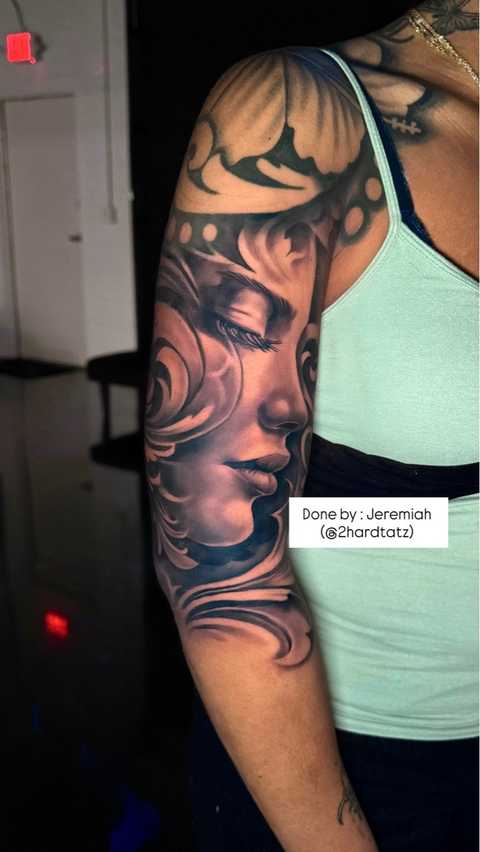
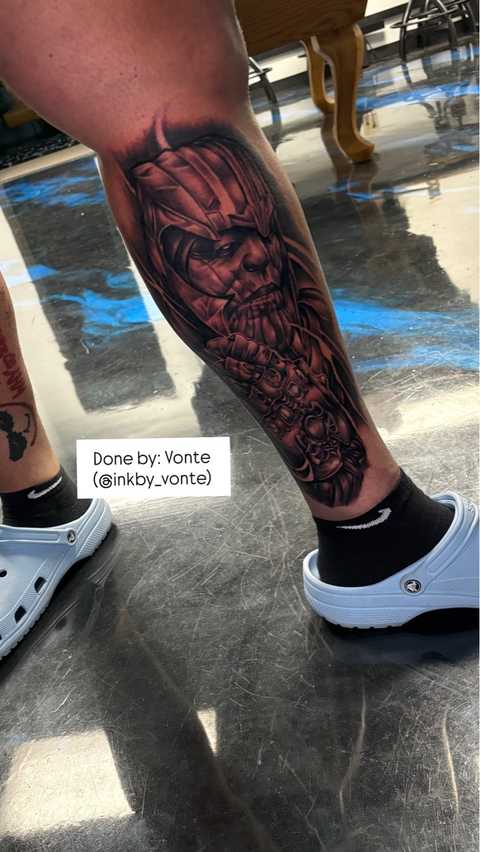
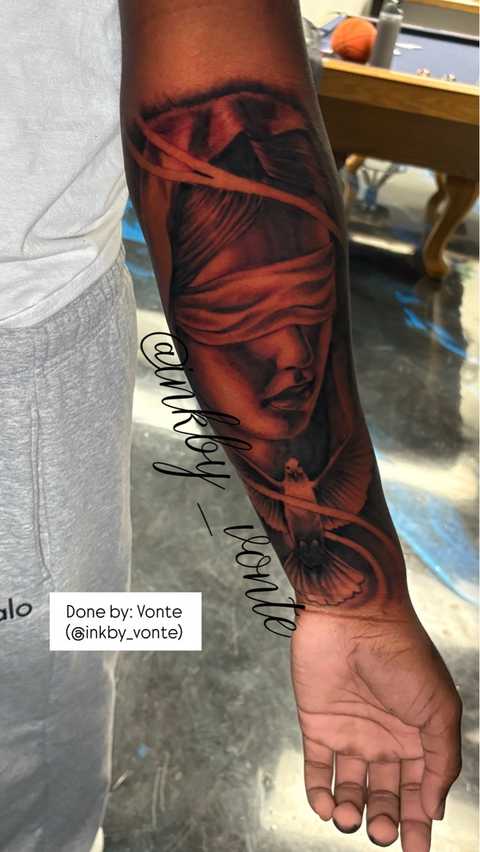
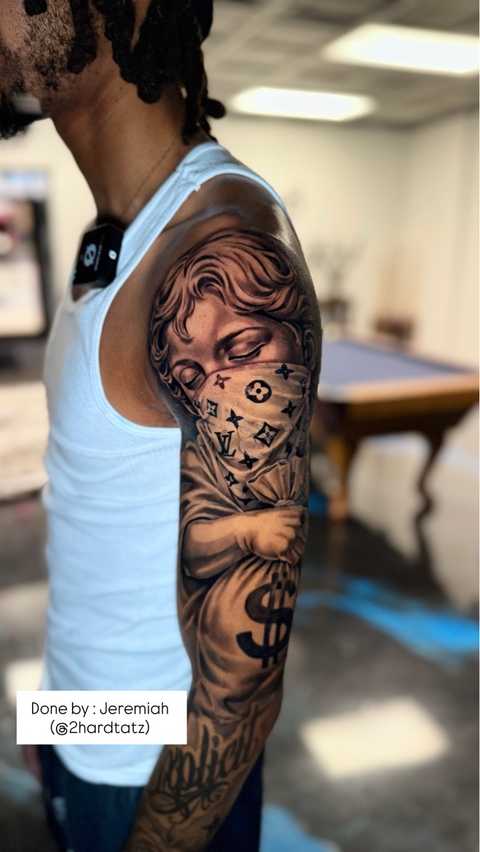
See examples of our Surface Tragus work and results.






What Our Clients Say
$$MultiPurposeText$$
Read testimonials from our satisfied customers

Changed my piercing and were all cool and professional. Definitely would recommend!

Recently had a great experience with Monnie (I think that was his name? We talked about hi...more

I had a quick emergency; my piercing fell out. I found this establishment based on their g...more

Best experience I ever had as getting tattooed Jeremiah was extremely nice professional n ...more

Jeremiah (2hardtatz) is truly a mastermind. When I first started looking into getting larg...more

Went for a nose piercing and it was quick. The employees were nice and welcoming.

Frequently Asked Questions
Get answers to common questions about Surface Tragus.
A typical Surface Tragus session takes about twenty to forty minutes, including consultation, marking, sterilization, and jewelry insertion. Timing varies with anatomy and aftercare; we explain healing steps so you leave confident and prepared.
Pain is typically mild to moderate: a quick pinch during placement followed by soreness for a few days. Individual tolerance varies; we use numbing options and gentle technique to minimize discomfort and provide aftercare to ease healing.
Healing typically ranges from eight to sixteen weeks depending on anatomy, aftercare, and lifestyle. Because it’s a surface procedure, follow-up checks help monitor migration; we’ll advise cleaning routines and signs to watch during healing.
Yes. Once fully healed, we recommend professional jewelry changes to ensure proper fit and avoid stress. We stock compatible titanium and implant-grade options; return for sizing advice and exchange to reduce irritation and maintain long-term placement.
Clean with saline spray twice daily, avoid twisting, and keep hair and headphones away. Do not use alcohol or peroxide. Monitor for redness or discharge; contact us for concerns. Follow scheduled checkups until fully healed for best results.
Surface piercings carry higher migration and rejection risk versus standard ear piercings. Our 90-degree titanium staple and technique lower that risk, but infection, scarring, or migration can occur. Proper aftercare and professional follow-ups reduce complications significantly.