

Labret Gallery
$$MultiPurposeText$$
See examples of our Labret work and results.


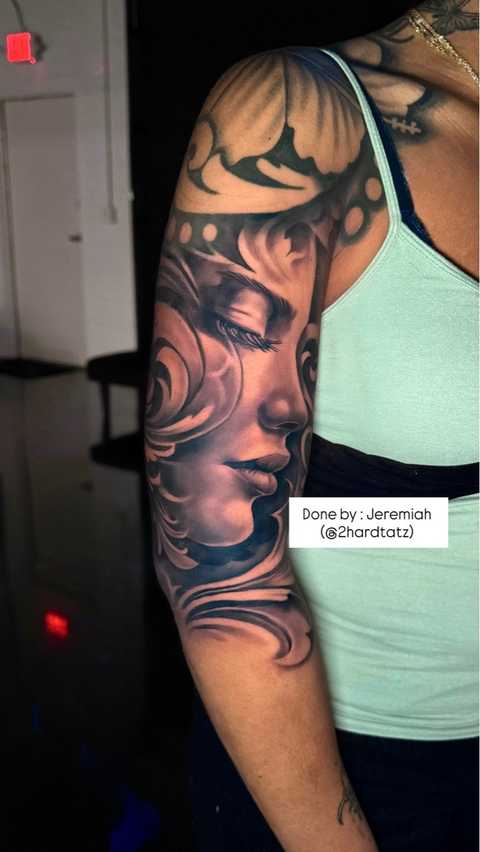

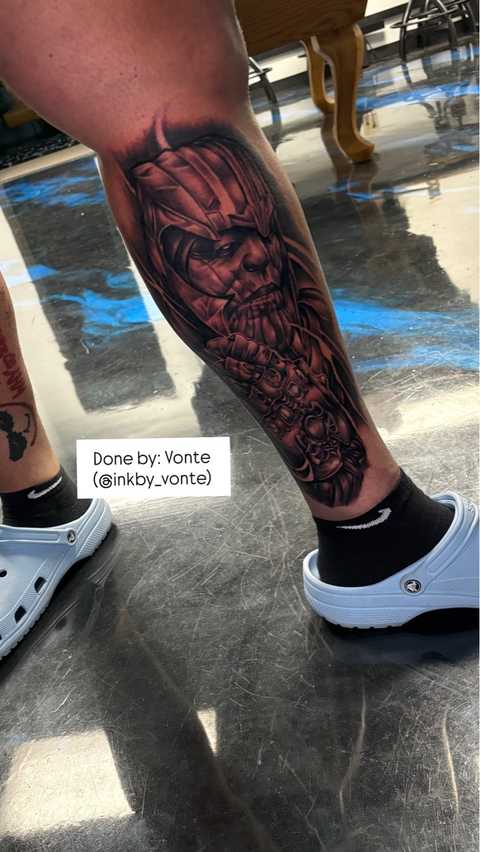
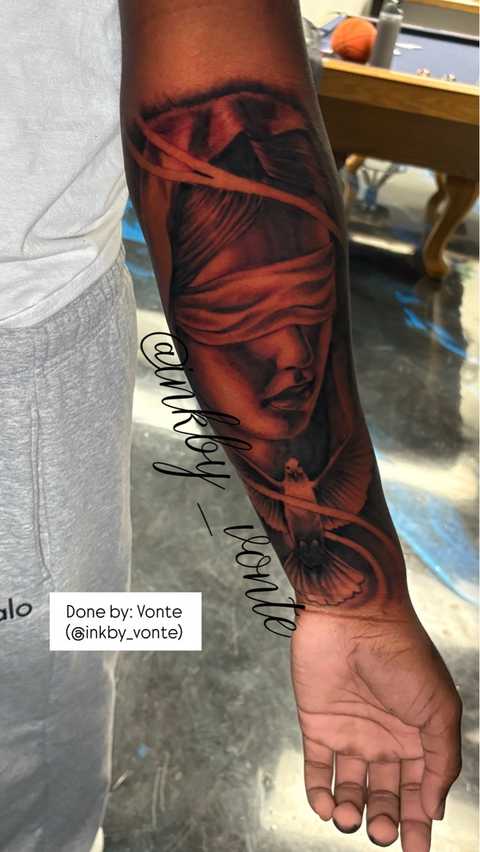


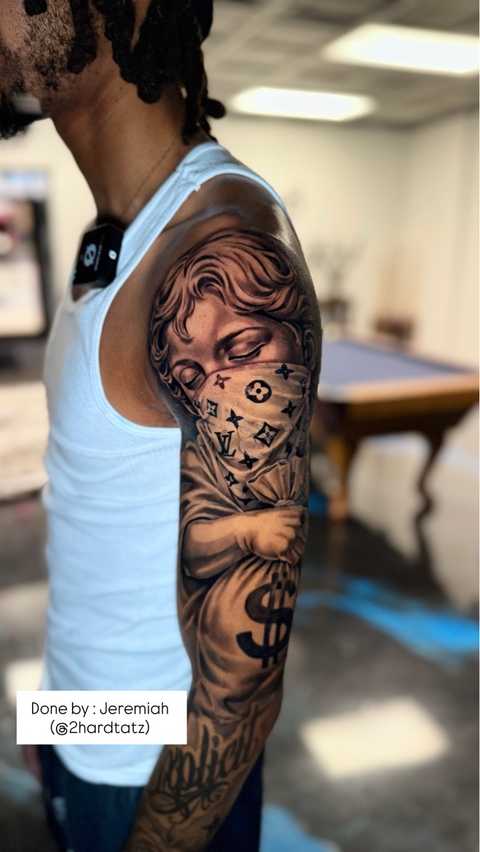
What Our Clients Say
$$MultiPurposeText$$
Read testimonials from our satisfied customers

Changed my piercing and were all cool and professional. Definitely would recommend!

Recently had a great experience with Monnie (I think that was his name? We talked about hi...more

I had a quick emergency; my piercing fell out. I found this establishment based on their g...more

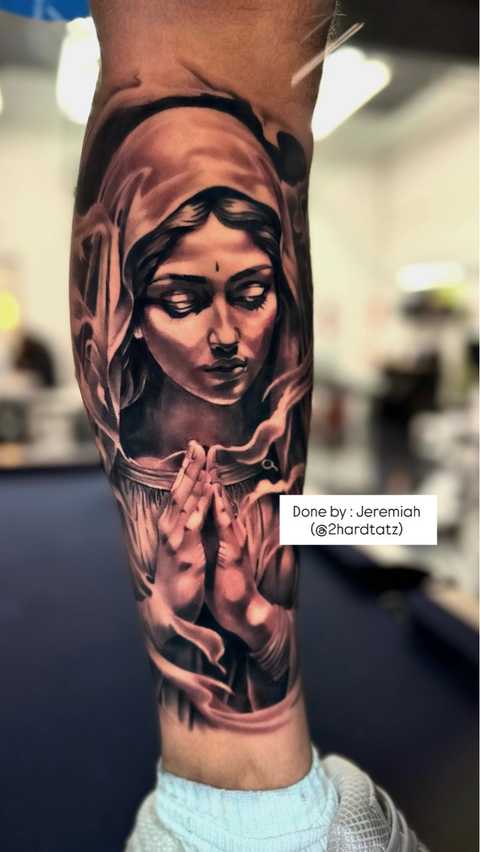
Best experience I ever had as getting tattooed Jeremiah was extremely nice professional n ...more

Jeremiah (2hardtatz) is truly a mastermind. When I first started looking into getting larg...more

Went for a nose piercing and it was quick. The employees were nice and welcoming.

Frequently Asked Questions
Get answers to common questions about Labret.
Most appointments last 20–40 minutes, including consultation, placement marking, sterilization, and the piercing itself. Allow extra time for discussing jewelry options and aftercare. If you schedule a consultation for custom placement, plan for a slightly longer appointment.
Sensation varies by person but most describe a quick, sharp pinch that fades quickly. Mild swelling and tenderness commonly last several days, with soreness gradually improving over one to two weeks. Topical numbing can be offered on request.
We provide 316 surgical steel jewelry as standard for optimal healing and durability. For metal sensitivities we offer implant-grade titanium or biocompatible alternatives like PTFE/BioFlex. Jewelry sizes and styles are selected to suit your placement and to promote proper healing.
Clean twice daily with a sterile saline rinse or solution and avoid alcohol or peroxide. Do not touch or twist jewelry with unwashed hands, and avoid oral irritants like spicy foods, smoking, and kissing until healed. Follow your piercer's instructions.
Healing times vary by style and individual care but generally range from six to twelve weeks. Vertical placements may take longer. Stick to aftercare, avoid trauma, and return for checkups if healing stalls or you notice increased pain, swelling, or discharge.
Migration or rejection is possible but uncommon with proper placement and jewelry. Risks increase from trauma, poor aftercare, or incorrect jewelry size/material. Reduce risk by choosing experienced piercers, following aftercare, using appropriate jewelry, and contacting us promptly if you notice shifting or irritation.