

Smiley Gallery
$$MultiPurposeText$$
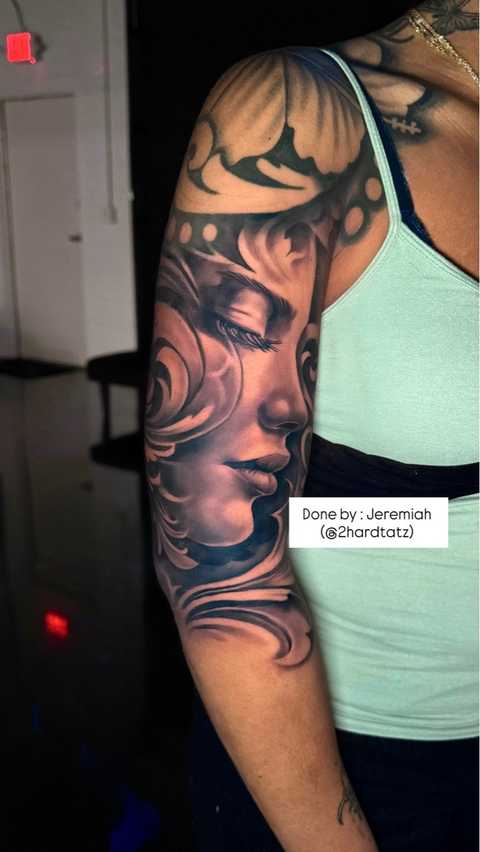
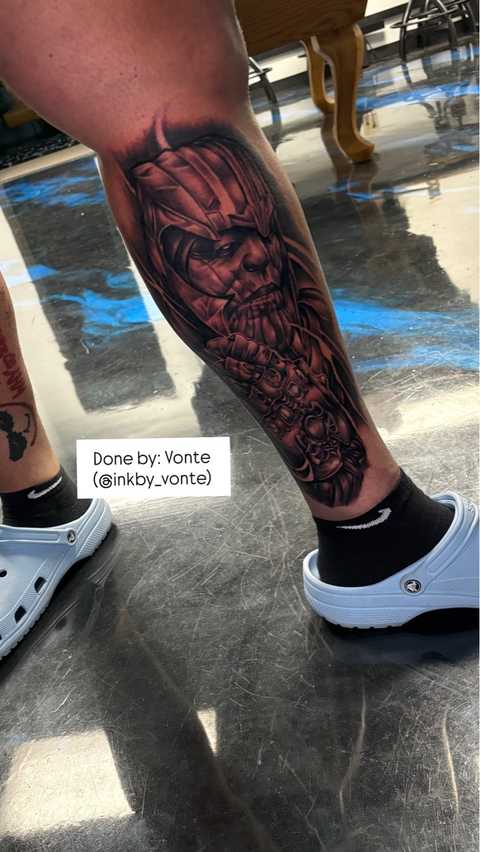
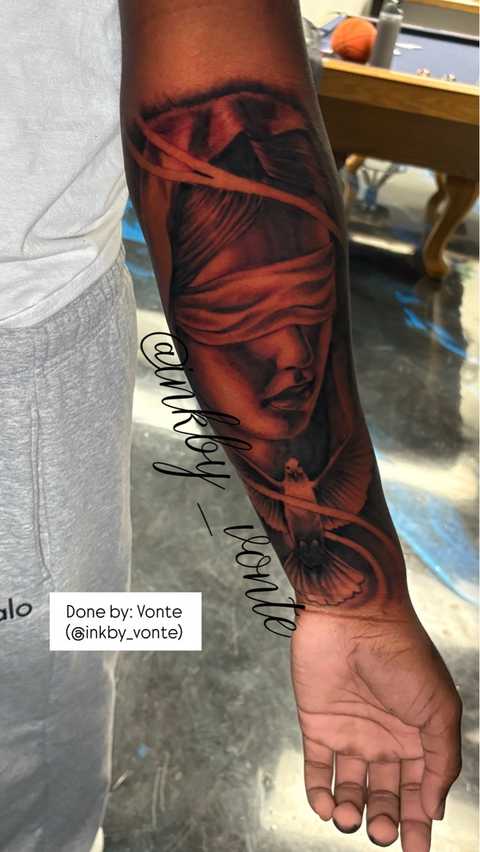
See examples of our Smiley work and results.







What Our Clients Say
$$MultiPurposeText$$
Read testimonials from our satisfied customers

Changed my piercing and were all cool and professional. Definitely would recommend!

Recently had a great experience with Monnie (I think that was his name? We talked about hi...more

I had a quick emergency; my piercing fell out. I found this establishment based on their g...more

Best experience I ever had as getting tattooed Jeremiah was extremely nice professional n ...more

Jeremiah (2hardtatz) is truly a mastermind. When I first started looking into getting larg...more

Went for a nose piercing and it was quick. The employees were nice and welcoming.

Frequently Asked Questions
Get answers to common questions about Smiley.
Most Smiley piercings heal in about 4–12 weeks, though individual healing rates vary. Keep the area clean with saline soaks twice daily, avoid manipulating the jewelry, and follow your piercer’s aftercare. Contact us if you notice persistent swelling, discharge, or severe pain.
When performed correctly and cared for properly, scarring and gum recession are rare. We use precise placement and 316 surgical steel to minimize risks. Avoid harsh brushing and report any gum changes or tooth rubbing to your piercer promptly.
Yes — 316 surgical steel is biocompatible and commonly used for initial piercings, offering low allergy risk. If you have known nickel sensitivity, ask about titanium or implant-grade options; we can accommodate alternative materials on request.
Discomfort is brief and varies by person; most describe a quick pinch or pressure. The frenulum is a small, fast area to pierce. Our experienced piercers work quickly and sterilely to minimize pain, and proper aftercare eases soreness.
Rinse with sterile saline twice daily, avoid touching or playing with the jewelry, and skip alcohol-based mouthwashes during initial healing. Maintain gentle oral hygiene, avoid smoking, and schedule a follow-up if you see unusual redness, pus, or prolonged pain.
Once fully healed you can change jewelry, but ensure proper sizing to prevent migration or irritation. We recommend having a professional perform or advise on the swap. Return to us for fitting advice or a safe, free adjustment.